OlivaRider
Member
What catalog number s & s intake manifold. There is one kind? It is an engine 2006 od 2007?
Attachments
-
 143.1 KB Views: 42
 -
 195 KB Views: 41



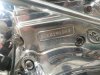
what does "X" stand for?The "G" in your engine code means it was produced in the 2006 production year (Oct. 1, 2005-Sep. 30, 2006). The "E" means it is a 4 1/8" bore engine. The rest means it was the 1,919th 4 1/8" bore crankcase produced in the 2006 production year.

That's the flywheel diameter. No letter at the end means stock 8 1/2" flywheel. X means a 8 1/4" flywheel.what does "X" stand for?
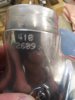

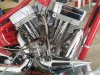
Most likely the width of the manifold. Re: taller EPA engines (use wider manifolds) vs. shorter normal production engines. Call S&S and they should be able to tell you the width of each, or the application. If I remember, I'll check my manifold collection tomorrow.What's the difference, does someone know? 410 2528. 410 2609

410 is the width, so both are the same. The other number etched may be a casting run number for S&S reference purposes internally is the only thing I can think of.Most likely the width of the manifold. Re: taller EPA engines (use wider manifolds) vs. shorter normal production engines. Call S&S and they should be able to tell you the width of each, or the application. If I remember, I'll check my manifold collection tomorrow.
John

Well the other difference that I see is one is raw and the other looks polished (actually one looks cast and the other looks more like billet)410 is the width, so both are the same. The other number etched may be a casting run number for S&S reference purposes internally is the only thing I can think of.
Sent from my Pixel 3a using Tapatalk
The older sand cast S&S manifolds went out with "winged tip shoes". It took a lot of work to clean up the inside, and they cracked easily on the flange bore. The manifolds in the picture are current models.Well the other difference that I see is one is raw and the other looks polished (actually one looks cast and the other looks more like billet)
that's why I said raw vs polished -- it hinted of cast to me slightly but I really didn't think it was.The older sand cast S&S manifolds went out with "winged tip shoes". It took a lot of work to clean up the inside, and they cracked easily on the flange bore. The manifolds in the picture are current models.
John

that's why I said raw vs polished -- it hinted of cast to me slightly but I really didn't think it was.
"winged tip shoes" -- I'm not that old!
Damn, I still have a pair... wing tips, not manifolds...The older sand cast S&S manifolds went out with "winged tip shoes". It took a lot of work to clean up the inside, and they cracked easily on the flange bore. The manifolds in the picture are current models.
John