
Rear wheel bearings help.
- Thread starter Badazz
- Start date


knothead
Second Chance Customs
First when removing the rear wheel do not move the axle adjusters at all as this will cause alignment issue....just pull the axle out then take the belt off the pulley....if you have a 1" puller that will make the job easier removing the bearings...its not a bad job at all...I ordered new bearings for 04 pitbull should be here today is there anything that would help me out to know prior to changing them out, as i have not done before
On youtube, someone took round bar stock, sawed a slot at the one end, Used a chisel to spread the split and this split would expand on the inner race and you hammer out the bearing.
What I do next is sacrifice the old bearing by spinning the OD on a grinder. The bearing will spin and you want that. You keep testing until the bearing drops in the wheel hub. Take the new bearing and use a rawhide mallet to work the bearing in. Once it's flat in the hub, use the ground down bearing to home the new bearing against the stop.
I bought a bearing remover and had to modify it because it kept popping out of the bearing.
What I do next is sacrifice the old bearing by spinning the OD on a grinder. The bearing will spin and you want that. You keep testing until the bearing drops in the wheel hub. Take the new bearing and use a rawhide mallet to work the bearing in. Once it's flat in the hub, use the ground down bearing to home the new bearing against the stop.
I bought a bearing remover and had to modify it because it kept popping out of the bearing.

The idea guy
Member
I just replaced my rear bearings on my 09 K9. Yours should be pretty much the same. After getting your rear wheel removed (Knothead gave you the perfect advise for that part) go ahead and remove the hubs from the wheels. You will have to remove the drive belt pulley and the brake disk from their perspective sides first. Now find a 2x6 or 2x8 at least 10 inches long and use a hole saw to drill a hole big enough so the hub face sits flush on the board and the flange drops down into the hole (lm sorry I don’t remember the size of the hole, around 2 or 2.5 inches I think). Then place the hub with the bearing side down on the board. Using a 1 inch socket on an extension, drive the old bearing out of the hub. Then repeat the same process and drive the two bearings out of the other hub.
Now, clean the hubs up and then very lightly wipe some axle grease into the seats where the bearings go. Place the hub with the bearing seat up on your board. Wipe a thin layer of axle grease onto the outer side of the bearing and then place it onto the hub. Using a small block of wood and a mallet, carefully pound the new bearing into the hub. Be sure to check that the bearing is going in straight and not cockeyed after each hit with the mallet. Once you have it as far as you can get it, place one of the old bearings (cleaned up of course) flush on top of the new bearing and using the small block and mallet finish driving in the bearing.
On the other hub you will do the same but after getting the first bearing flush you will stack the second bearing and continue and then finish up by using the old bearing again.
when reinstalling the hubs, pulley and brake disk be sure to use lock-tite and proper torque settings. You need to install one hub first and get it torqued down. Then flip the wheel over and insert the spacer tube. Place the remaining hub on the wheel and insert the axle going through and extending out of the other side. Now torque that hub. Remove the axle at this point. Note: there are indexing marks on the hubs, wheel, pulley and brake disk. They are little dots. Be sure to align these when you are installing. Install and torque your brake disk next and then the drive pulley.
When installing the rear wheel, be sure that the spacers are correctly installed. They are different widths and must be in their correct places. Also the two spacers that are in contact with the bearings have a small flange on them that needs to be flange side toward the bearing.
Its really not that hard!
Have fun and don’t start drinking the beer until the job is done, you don’t want to have to do it twice.
Now, clean the hubs up and then very lightly wipe some axle grease into the seats where the bearings go. Place the hub with the bearing seat up on your board. Wipe a thin layer of axle grease onto the outer side of the bearing and then place it onto the hub. Using a small block of wood and a mallet, carefully pound the new bearing into the hub. Be sure to check that the bearing is going in straight and not cockeyed after each hit with the mallet. Once you have it as far as you can get it, place one of the old bearings (cleaned up of course) flush on top of the new bearing and using the small block and mallet finish driving in the bearing.
On the other hub you will do the same but after getting the first bearing flush you will stack the second bearing and continue and then finish up by using the old bearing again.
when reinstalling the hubs, pulley and brake disk be sure to use lock-tite and proper torque settings. You need to install one hub first and get it torqued down. Then flip the wheel over and insert the spacer tube. Place the remaining hub on the wheel and insert the axle going through and extending out of the other side. Now torque that hub. Remove the axle at this point. Note: there are indexing marks on the hubs, wheel, pulley and brake disk. They are little dots. Be sure to align these when you are installing. Install and torque your brake disk next and then the drive pulley.
When installing the rear wheel, be sure that the spacers are correctly installed. They are different widths and must be in their correct places. Also the two spacers that are in contact with the bearings have a small flange on them that needs to be flange side toward the bearing.
Its really not that hard!
Have fun and don’t start drinking the beer until the job is done, you don’t want to have to do it twice.

Get a bearing puller. You won’t regret it.
Thank you i appreciate the help im pretty sure the spacers weren't faced flange side in when i took them out. I am going to order some new ones today before i reinstall.I just replaced my rear bearings on my 09 K9. Yours should be pretty much the same. After getting your rear wheel removed (Knothead gave you the perfect advise for that part) go ahead and remove the hubs from the wheels. You will have to remove the drive belt pulley and the brake disk from their perspective sides first. Now find a 2x6 or 2x8 at least 10 inches long and use a hole saw to drill a hole big enough so the hub face sits flush on the board and the flange drops down into the hole (lm sorry I don’t remember the size of the hole, around 2 or 2.5 inches I think). Then place the hub with the bearing side down on the board. Using a 1 inch socket on an extension, drive the old bearing out of the hub. Then repeat the same process and drive the two bearings out of the other hub.
Now, clean the hubs up and then very lightly wipe some axle grease into the seats where the bearings go. Place the hub with the bearing seat up on your board. Wipe a thin layer of axle grease onto the outer side of the bearing and then place it onto the hub. Using a small block of wood and a mallet, carefully pound the new bearing into the hub. Be sure to check that the bearing is going in straight and not cockeyed after each hit with the mallet. Once you have it as far as you can get it, place one of the old bearings (cleaned up of course) flush on top of the new bearing and using the small block and mallet finish driving in the bearing.
On the other hub you will do the same but after getting the first bearing flush you will stack the second bearing and continue and then finish up by using the old bearing again.
when reinstalling the hubs, pulley and brake disk be sure to use lock-tite and proper torque settings. You need to install one hub first and get it torqued down. Then flip the wheel over and insert the spacer tube. Place the remaining hub on the wheel and insert the axle going through and extending out of the other side. Now torque that hub. Remove the axle at this point. Note: there are indexing marks on the hubs, wheel, pulley and brake disk. They are little dots. Be sure to align these when you are installing. Install and torque your brake disk next and then the drive pulley.
When installing the rear wheel, be sure that the spacers are correctly installed. They are different widths and must be in their correct places. Also the two spacers that are in contact with the bearings have a small flange on them that needs to be flange side toward the bearing.
Its really not that hard!
Have fun and don’t start drinking the beer until the job is done, you don’t want to have to do it twice.
The idea guy
Member
I can’t imagine that you would need to replace the spacers. The ridge on the one side of them is very very small and they are not compressible. Just install them in the correct configuration. Also, if you are considering buying a bearing puller, then also buy a press. The puller will only safely remove the old bearings so that you can then throw them away. It will not install the new bearings. You would need a press for that. Save your money and carefully follow the steps I listed for you.
The idea guy
Member
Here is a little something to help you out.
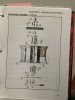
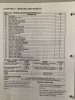
So how does the front wheel come off i got the bolt out of one side but the other wont budge.
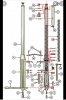
See if I have this right... I first break 2 loose. I then loosen the 11's. Then 1 slides out.
And since we're here:
This is a perfect picture of how to setup the front end. So I'm at a race a few years back, guy comes up to me and says he turns great one way, then feels all weird the other way. For some reason, first thing I looked at were the fork legs coming out of the triples. They were pretty much looking like this photo.
Notice 1 and how perfectly horizontal the rendering is of the axle. That's what you want at the bottom. To be able to spin 1 thru the 3's equally so 1 spins with the least amount of drag.
You lock either 20 to the triples and that is base setting. Float the other 20 on the other side of the triple so 1 spins effortlessly. Lock the floating 20 and recheck spin of 1 being fully inserted, noting the machined steps of 1 can be pushed out with a pinky between both 20's being locked.
Note that 36 will drop flat, and 16's will have zero struggle replacing the fender bolts. Also note that 25 to 25 out of the triples has one higher than the other. The whole concept is to square the three points of a static assembly to the 1. Not that I can answer the wear pattern of the rear tire being more worn than the other side, but if I apply????
And I'd have to apply that front axle to that specific bike and set 1 thru those holes in the forks like a bullet thru a barrel... and if not? Doubt if I could feel a 32nd high of the other out the top and flipflop a few S-turns to notice it steers well on the one side, sketchy on the other flop-over. The 28's are pushed out as far as the forks can extend them, so 1 squares the whole front end to the frame.
Conclusion:
Hand tools ~ Are your hands on the twirl. For practice, watch Tits Of The Day to warm you up.
Triple ~ Squared is the static setting.
Fuck ~ Where 25 sits out the top crown.
Hammer ~ Watch those dumb motherfuckers on tube use a hammer on the axle not knowing... the song 'this is how we do it.'
And since we're here:
This is a perfect picture of how to setup the front end. So I'm at a race a few years back, guy comes up to me and says he turns great one way, then feels all weird the other way. For some reason, first thing I looked at were the fork legs coming out of the triples. They were pretty much looking like this photo.
Notice 1 and how perfectly horizontal the rendering is of the axle. That's what you want at the bottom. To be able to spin 1 thru the 3's equally so 1 spins with the least amount of drag.
You lock either 20 to the triples and that is base setting. Float the other 20 on the other side of the triple so 1 spins effortlessly. Lock the floating 20 and recheck spin of 1 being fully inserted, noting the machined steps of 1 can be pushed out with a pinky between both 20's being locked.
Note that 36 will drop flat, and 16's will have zero struggle replacing the fender bolts. Also note that 25 to 25 out of the triples has one higher than the other. The whole concept is to square the three points of a static assembly to the 1. Not that I can answer the wear pattern of the rear tire being more worn than the other side, but if I apply????
And I'd have to apply that front axle to that specific bike and set 1 thru those holes in the forks like a bullet thru a barrel... and if not? Doubt if I could feel a 32nd high of the other out the top and flipflop a few S-turns to notice it steers well on the one side, sketchy on the other flop-over. The 28's are pushed out as far as the forks can extend them, so 1 squares the whole front end to the frame.
Conclusion:
Hand tools ~ Are your hands on the twirl. For practice, watch Tits Of The Day to warm you up.
Triple ~ Squared is the static setting.
Fuck ~ Where 25 sits out the top crown.
Hammer ~ Watch those dumb motherfuckers on tube use a hammer on the axle not knowing... the song 'this is how we do it.'
Aw thank youOn one side you have pinch bolts on the bottom of the fork leg....#11 in the parts diagram.....loosen them up and then slide the axle outView attachment 89441
knothead
Second Chance Customs
Your welcomeAw thank you
For ease next time, face the bearing numbers towards you and the next time you can order them, next owner, etc. Because a sealed bearing can go either direction, yes. Tapered roller bearing types can only go one way. Can't be flipped in other words.
See the center collar 85 of the wheel parts? I left those out so many times, just remember that collar is in there. Flip the wheel, collar next.
Ah, if you use the axle as the lineup guy for the other bearing centering, in other words, it's thru the new bearings and the collar. You're setting up the 78's before torqueing them. The axle says no cocking when the axle just drops out when the 78's are tight.
The ideal thing is to shim up the axle, torque the nut and spin the axle. This more or less sends the bearing home at the OD's stress... if you didn't seem to home the new bearings and all that tick noise you might hear. The inner race butts up against the collar ends. That says, home are the bearings, no shims needed or collar material removed.
Because if that collar is not machine sharp at the edge, but bowed out like a lead hammer, it's lost tolerance. That pushes the center races in up against the balls and there is your drag. That's what you are looking for on final assembly before installing the wheel.
See the center collar 85 of the wheel parts? I left those out so many times, just remember that collar is in there. Flip the wheel, collar next.
Ah, if you use the axle as the lineup guy for the other bearing centering, in other words, it's thru the new bearings and the collar. You're setting up the 78's before torqueing them. The axle says no cocking when the axle just drops out when the 78's are tight.
The ideal thing is to shim up the axle, torque the nut and spin the axle. This more or less sends the bearing home at the OD's stress... if you didn't seem to home the new bearings and all that tick noise you might hear. The inner race butts up against the collar ends. That says, home are the bearings, no shims needed or collar material removed.
Because if that collar is not machine sharp at the edge, but bowed out like a lead hammer, it's lost tolerance. That pushes the center races in up against the balls and there is your drag. That's what you are looking for on final assembly before installing the wheel.
Yeah don’t forget to put the collar in. Been there done that. Lol! Bearings this weekend for me to on the 883 sportster. That & new pipes.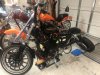
Thank you got it done yesterdayFor ease next time, face the bearing numbers towards you and the next time you can order them, next owner, etc. Because a sealed bearing can go either direction, yes. Tapered roller bearing types can only go one way. Can't be flipped in other words.
See the center collar 85 of the wheel parts? I left those out so many times, just remember that collar is in there. Flip the wheel, collar next.
Ah, if you use the axle as the lineup guy for the other bearing centering, in other words, it's thru the new bearings and the collar. You're setting up the 78's before torqueing them. The axle says no cocking when the axle just drops out when the 78's are tight.
The ideal thing is to shim up the axle, torque the nut and spin the axle. This more or less sends the bearing home at the OD's stress... if you didn't seem to home the new bearings and all that tick noise you might hear. The inner race butts up against the collar ends. That says, home are the bearings, no shims needed or collar material removed.
Because if that collar is not machine sharp at the edge, but bowed out like a lead hammer, it's lost tolerance. That pushes the center races in up against the balls and there is your drag. That's what you are looking for on final assembly before installing the wheel.

Sweet. You ready for the Farm in Sept! Hope to see ya there.Thank you got it done yesterday