
Are these pictures adequate to determine what EHC this is?
- Thread starter No H2O
- Start date


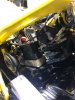
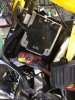

It is the stock EHC and ignition module. Which is good. All I would do is take the plugs off, clean them with some electric cleaner, and put some dielectric grease on them. I do the same thing with all the little white plugs also.

KaptinAmerika
Guru
I would also get some padding, battery padding works well, under that EHC to reduce the shock to the EHC from the frame and the pulling that occurs on the connectors.
When you tighten the ni-locks back up go just enough to be snug so the EHC can move a little.
When you tighten the ni-locks back up go just enough to be snug so the EHC can move a little.
I would no pad the black box. I would make sure it's metal case to metal heat sink (frame).
WATT little I know:
1. No physical moving part inside the processor.
2. The liquid bake poured is going to hold the physical parts from moving.
3. Pulls the electrical rabbit out of the hat and says; Magnetism: you cannot separate HEAT from the chemical reaction.
a. You want heat from the magnetic movement in the black box to dissipate HEAT.
b. HEAT kills electrical parts.
c. Electrolysis at the (never unplugged to cause new metal contact) plug connections; cannot transfer a good known signal going into the black box (stator/crank sensor), or going out to its jobber (spark, etc).
WATT little I know:
1. No physical moving part inside the processor.
2. The liquid bake poured is going to hold the physical parts from moving.
3. Pulls the electrical rabbit out of the hat and says; Magnetism: you cannot separate HEAT from the chemical reaction.
a. You want heat from the magnetic movement in the black box to dissipate HEAT.
b. HEAT kills electrical parts.
c. Electrolysis at the (never unplugged to cause new metal contact) plug connections; cannot transfer a good known signal going into the black box (stator/crank sensor), or going out to its jobber (spark, etc).
KaptinAmerika
Guru
Sorry Sven but this is one time I do not agree with you.
1. No physical moving part inside the processor.
Not sure what this has to do with padding the EHC as we are not trying to protect any moving parts we are trying to preotect the d-sub connector cold joints.
2. The liquid bake poured is going to hold the physical parts from moving.
Unfortunately it is not going to provide the necessary support to the d-sub connectors since the EHC's connectors are very near the surface. This leaves the cold joints on the d-sub connectors on the board exposed to flexing which has led to cold joint failure in many cases. Putting in the padding and allowing the EHC some movement helps reduce this issue. In addition I have had dozens of EHCs arrive here for testing that have the bolts torn out of them and severe damage to the bottom case due to the extreme vibration issues they contend with being bolted directly to the battery box.
3. Pulls the electrical rabbit out of the hat and says; Magnetism: you cannot separate HEAT from the chemical reaction.
Okay, you lost me completely here.
a. You want heat from the magnetic movement in the black box to dissipate HEAT.
The aluminum casing will dissipate all the heat necessary.
b. HEAT kills electrical parts.
Exactly, which is all the more reason to keep it off the battery box which absorbs heat from the motor and transmission.
c. Electrolysis at the (never unplugged to cause new metal contact) plug connections; cannot transfer a good known signal going into the black box (stator/crank sensor), or going out to its jobber (spark, etc).
Electrolysis is not an issue if di-electric grease is used. Plus they used like metals between the plugs which prevents electrolysis.
All of the above is why BD moved to a different mounting system in later years to provide more isolation to the EHC and give it some ability to flex during heavy vibration.
1. No physical moving part inside the processor.
Not sure what this has to do with padding the EHC as we are not trying to protect any moving parts we are trying to preotect the d-sub connector cold joints.
2. The liquid bake poured is going to hold the physical parts from moving.
Unfortunately it is not going to provide the necessary support to the d-sub connectors since the EHC's connectors are very near the surface. This leaves the cold joints on the d-sub connectors on the board exposed to flexing which has led to cold joint failure in many cases. Putting in the padding and allowing the EHC some movement helps reduce this issue. In addition I have had dozens of EHCs arrive here for testing that have the bolts torn out of them and severe damage to the bottom case due to the extreme vibration issues they contend with being bolted directly to the battery box.
3. Pulls the electrical rabbit out of the hat and says; Magnetism: you cannot separate HEAT from the chemical reaction.
Okay, you lost me completely here.
a. You want heat from the magnetic movement in the black box to dissipate HEAT.
The aluminum casing will dissipate all the heat necessary.
b. HEAT kills electrical parts.
Exactly, which is all the more reason to keep it off the battery box which absorbs heat from the motor and transmission.
c. Electrolysis at the (never unplugged to cause new metal contact) plug connections; cannot transfer a good known signal going into the black box (stator/crank sensor), or going out to its jobber (spark, etc).
Electrolysis is not an issue if di-electric grease is used. Plus they used like metals between the plugs which prevents electrolysis.
All of the above is why BD moved to a different mounting system in later years to provide more isolation to the EHC and give it some ability to flex during heavy vibration.